The Ghost in the Machine: Why AI is the New Currency of Intent
AI is no longer just a chatbot feature set. It is becoming the new currency of intent: the ability to convert what you mean into systems that act. This article reframes AI as a practical toolkit for both white-collar and blue-collar professionals, then outlines how to start applying agentic workflows in daily operations.
Core Technologies
Architecture Components
- As shown in the framework, the field has moved from Deep Learning foundations to Gen AI creation and now to Agentic AI execution.
- For white-collar professionals, this shifts work from one-off assistance to AI-managed workflows such as scheduling and coordination.
- For blue-collar professionals, this points to autonomous equipment that can detect pests, adapt to soil conditions, and execute tasks in real time.
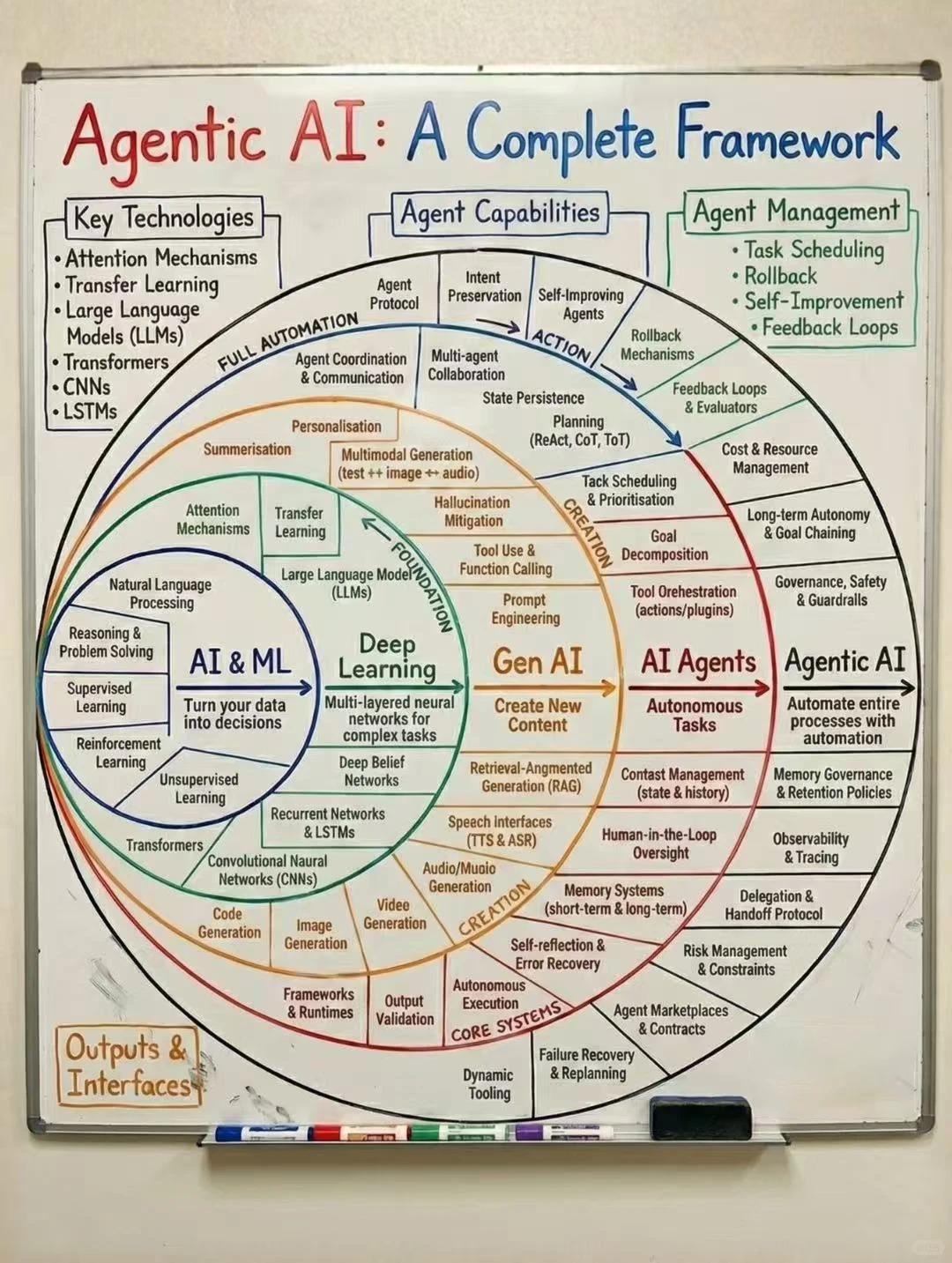
Figure 1: The AI Evolution. From deep learning foundations to Gen AI capabilities, leading to Agentic AI systems capable of complex action.
2. The Anatomy of an Agent
If AI is the currency, the AI agent is the transaction. The key shift happens when a system moves from interpreting your request to planning and executing action.
- An effective agent combines perception, reasoning, memory, and tool use in a continuous loop.
- Memory allows context retention across tasks, from farm history to client histories and project constraints.
- In the Nomad Edge and Nomad-Net work, this appears as systems that can plan steps, call tools, and adapt based on feedback.
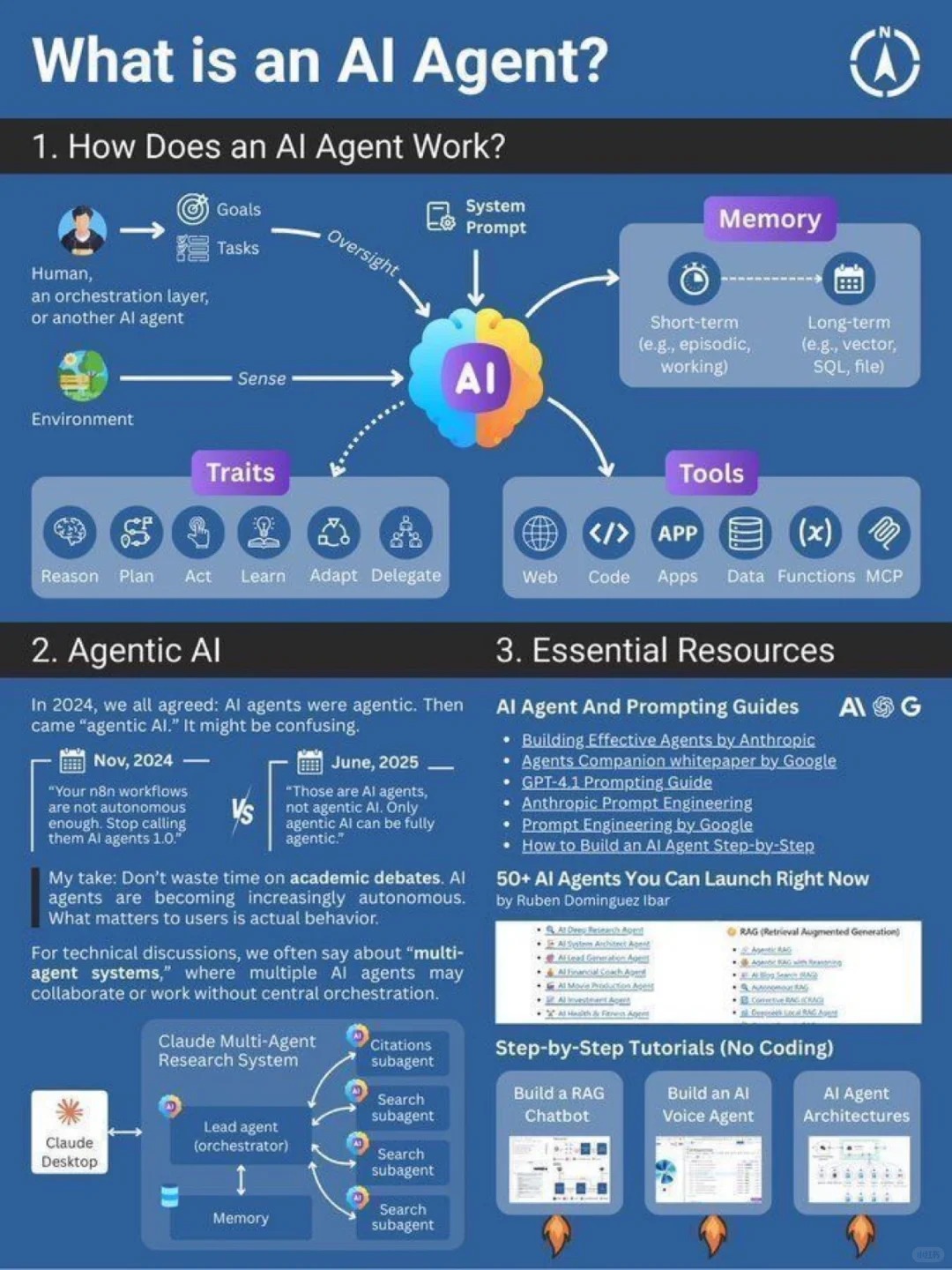
Figure 2: The Agentic Loop. An agent is a synthesis of Perception, Brain (reasoning/memory), and the ability to use specific tools.
3. Human Will in the Loop
Human judgment remains the anchor. The most reliable operating model is still Human-in-the-Loop (HITL), where AI accelerates execution while humans define direction, risk boundaries, and final accountability.
- Use AI for the What: drafting, summarizing, and boilerplate acceleration.
- Keep humans on the Why: architecture decisions, safety, and trade-off selection.
- Treat AI as a power tool that multiplies skilled labor rather than replacing expertise.
4. How to Start Spending This Currency
The barrier to entry has never been lower. You do not need a PhD to start applying AI in your trade or office, but you do need a practical sequence for learning and deployment.
- Start with core concepts, then move into applied agent workflows and tool orchestration.
- Use structured projects to bridge theory into repeatable execution patterns.
- Follow a curated roadmap of essential resources to build practical competence in deploying AI agents in 2026.
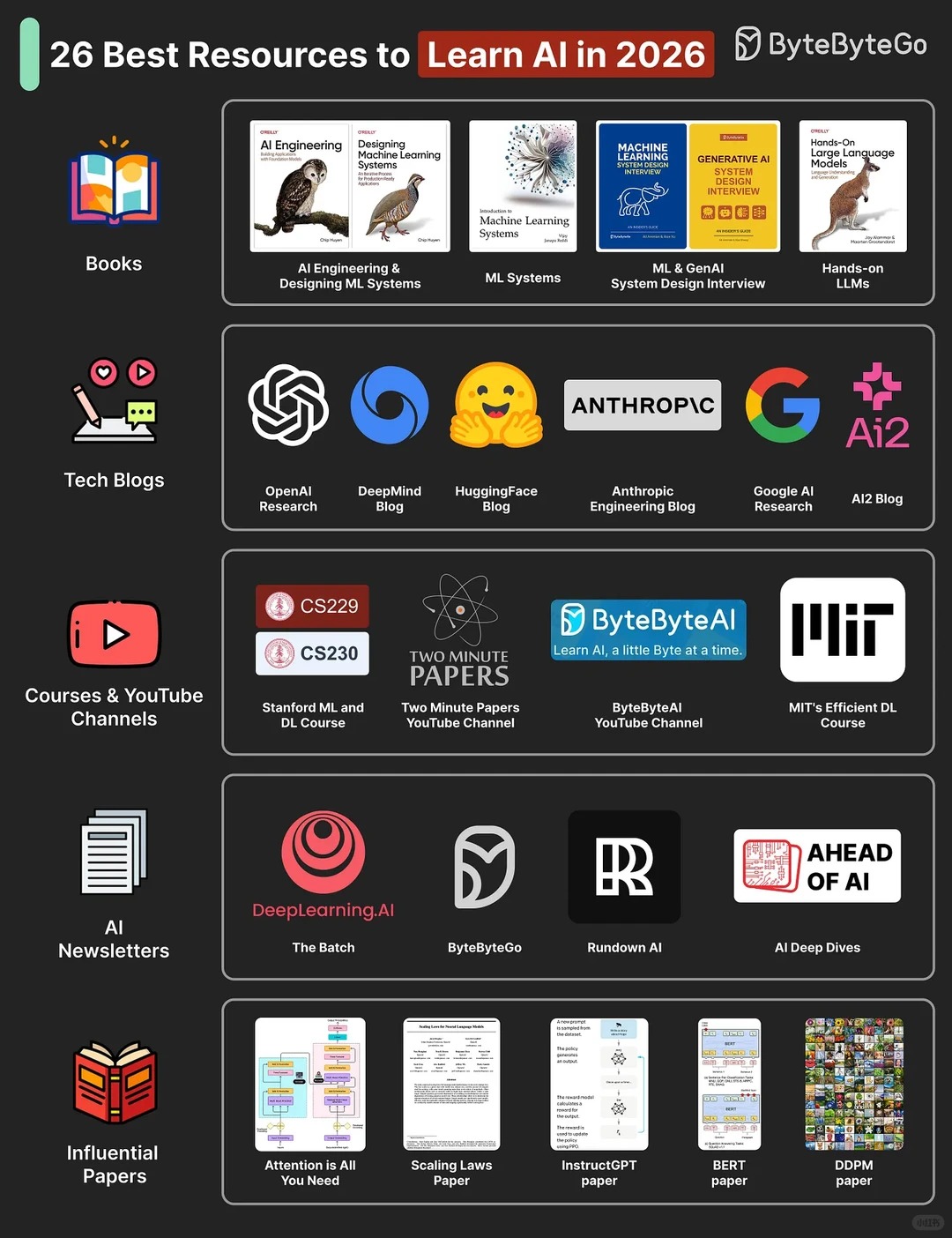
Figure 3: A Learning Path. A curated set of essential resources for mastering practical AI-agent deployment in 2026.
Key Learnings & Decisions
The Toolbox: An Interface Comparison
- **ChatGPT (The Multi-Tool):** Generalist brainstorming and translating complex concepts into "plain English."
- **Gemini (The Connected Foreman):** Real-time research and verification against live documentation (Google, 2024).
- **Cursor (The Specialized Workshop):** Deep, project-wide contextual understanding for hardcore building, though at a higher cost.
- **GitHub Copilot (The Apprentice):** Automates "toil"—the repetitive, manual grunt work and boilerplate code (Beyer et al., 2016).
References
- Bender, E. M., et al. (2021). On the Dangers of Stochastic Parrots. ACM Conference on Fairness, Accountability, and Transparency.
- Google. (2024). Gemini: A Family of Highly Capable Multimodal Models. Technical Report.
- IBM. (2023). The Quantified Value of Human-in-the-loop AI. IBM Institute for Business Value.
- ISO/IEC 42001. (2023). Information technology - Artificial intelligence - Management system.
- LangChain. (2026). LangChain and LangGraph Documentation.
- Microsoft. (2023). AutoGen: Enabling Next-Gen LLM Applications via Multi-Agent Conversation.
- NIST. (2023). AI Risk Management Framework (AI RMF 1.0).
- OpenAI. (2023). GPT-4 Technical Report.
- OpenAI. (2026). API Documentation for Tool Use and Agent Workflows.
- Pan, Y. (2016). Heading toward Artificial Intelligence 2.0. Engineering, 2(4).
- Schick, T., et al. (2023). Toolformer: Language Models Can Teach Themselves to Use Tools. NeurIPS.
- Wang, G., et al. (2023). Voyager: An Open-Ended Embodied Agent with Large Language Models.
- Yao, S., et al. (2023). ReAct: Synergizing Reasoning and Acting in Language Models.
- Schlosser, K. (2026). The Nomad Edge Project: A Case Study in Distributed Resilience. Portfolio Research.
- Zanzotto, F. M. (2020). Human-in-the-loop Artificial Intelligence. IEEE Intelligent Systems.
Implementation Milestones
A breakdown of the key tasks and milestones that brought this project to life.
Research Phase
CompleteInitial research and literature review
Analysis
CompleteDeep dive analysis and findings
Documentation
CompleteFinal thesis write-up and conclusions